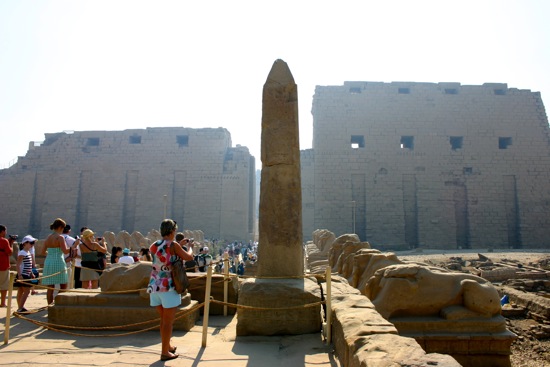
After a couple hours of walking around, I had seen most of complex and the sun was starting to get pretty brutal, so I walked back through the temple to try to find a car to take me back to Luxor.
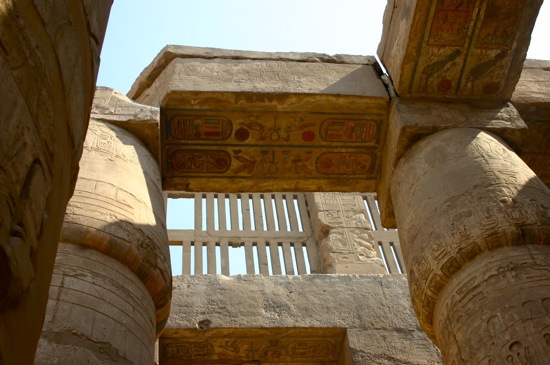
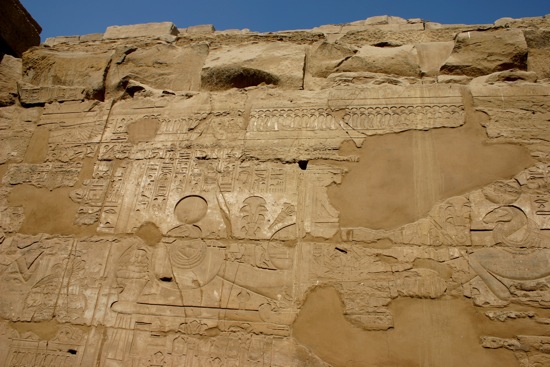
If you look at some of the huge beams that sit on top of the columns you can still see some of the original paint that used to be on top of all of the hieroglyphs carved into the stone!
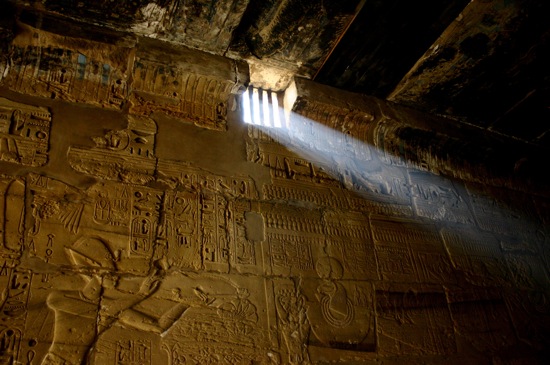
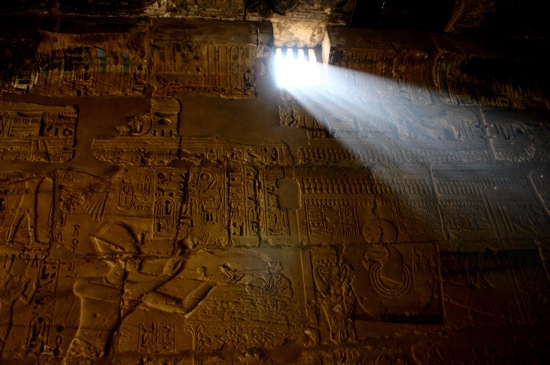
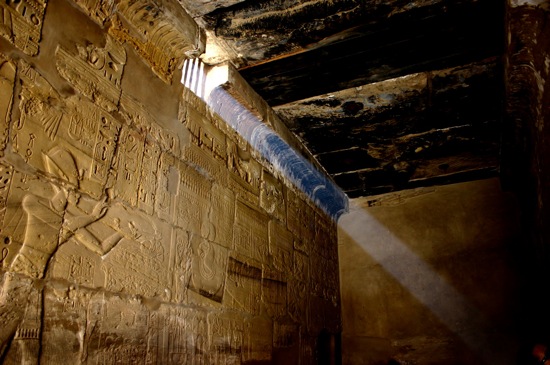
While most of the site is "open-air," a few of the smaller, enclosed temple's roofs have survived and you can go inside them and get a sense of what the other rooms felt like when they also had roofs.
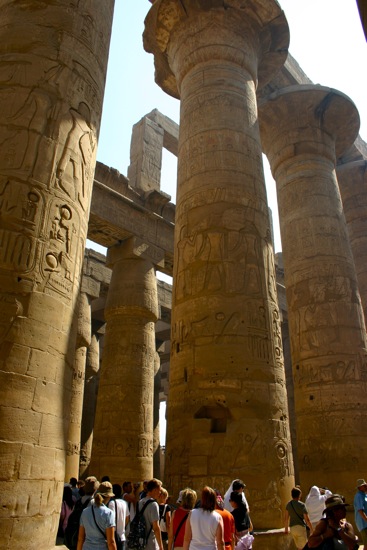
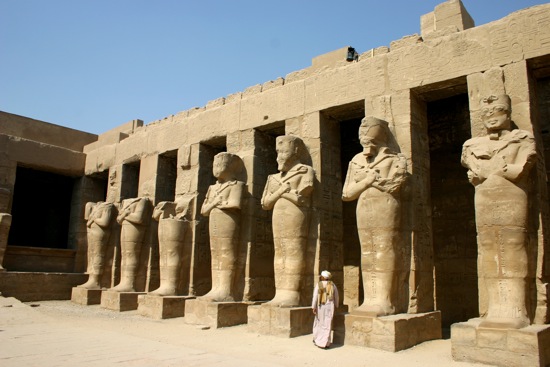
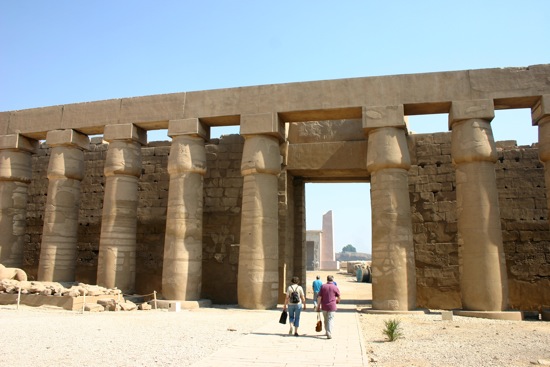
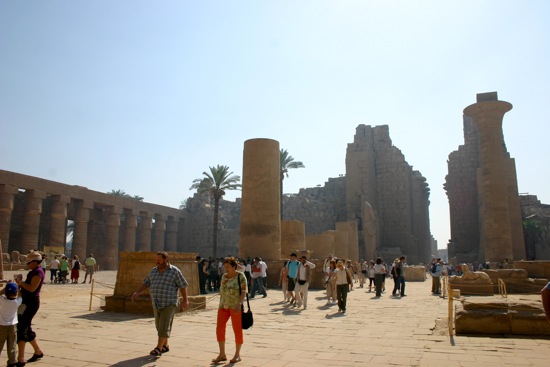
There were sections of the temple where every single supporting column had a huge statue in front of it! Check out the guy walking in front providing scale!
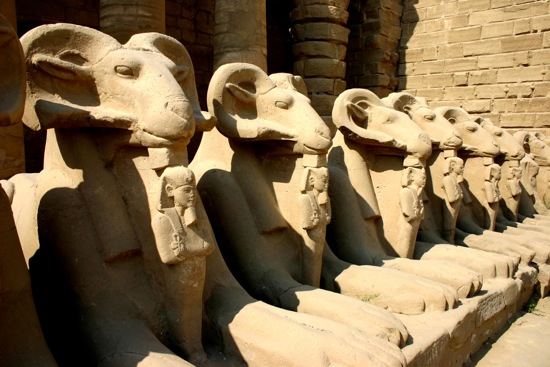
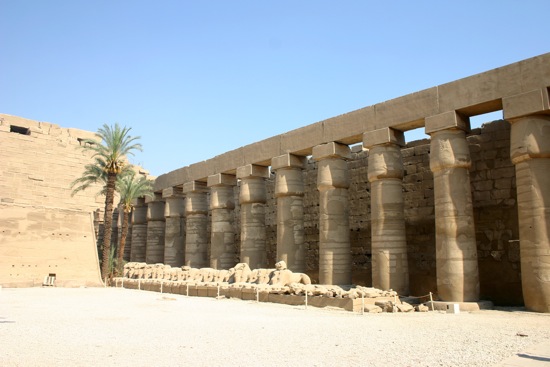
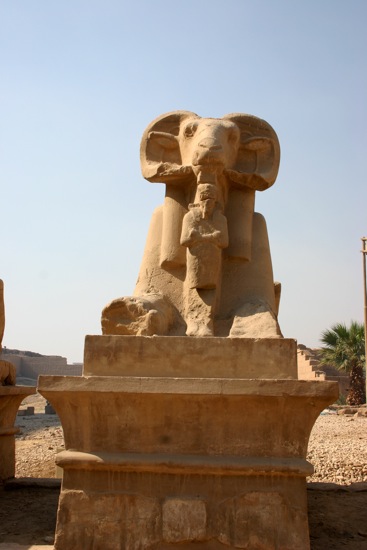
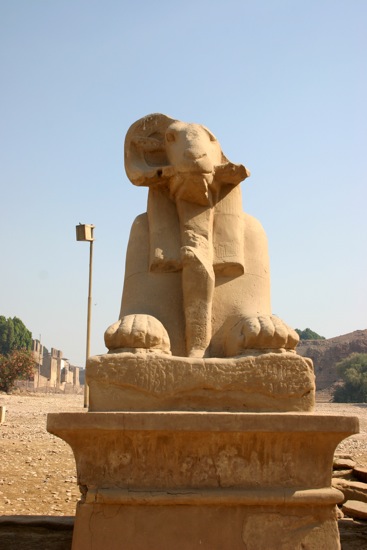
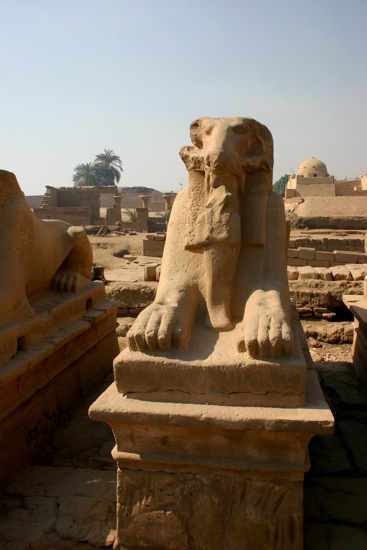
Another row of ram-headed sphinxes. These ones were inside the temple walls and they were in much better shape. Check out how each of them has a miniature little man under their chins!
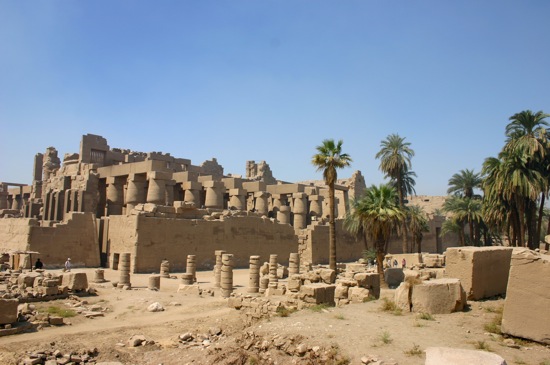
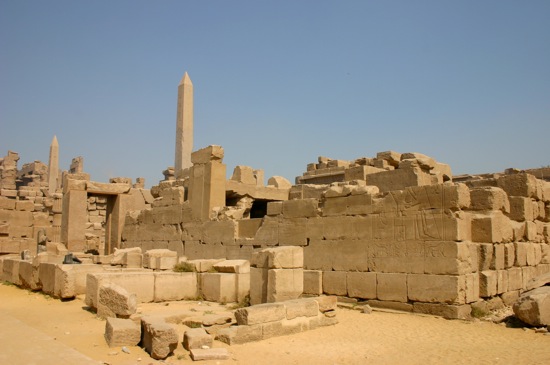
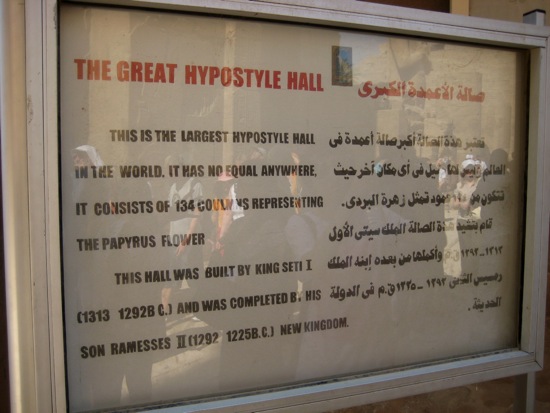
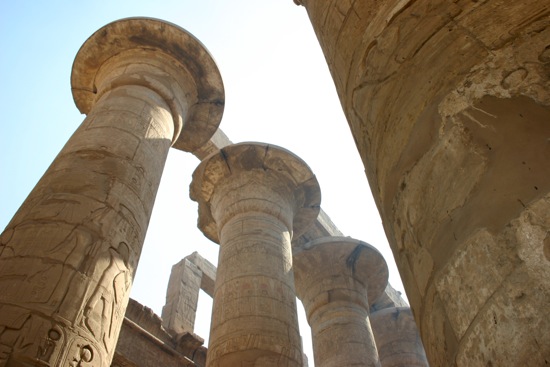
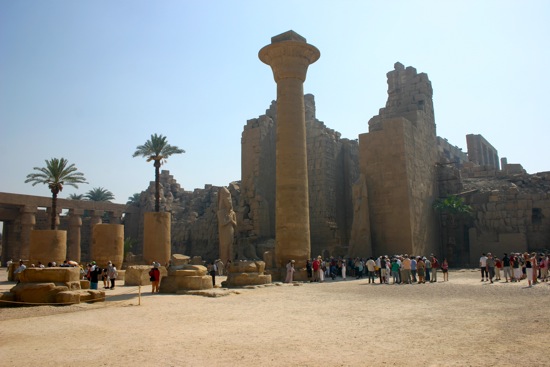
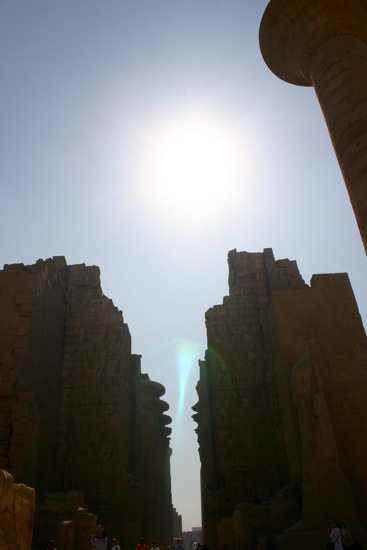
Here's a view of the Hypostle Hall from the outside. If you look carefully, you can see the rounded edges of the tops of the columns (hypostles) lining the hallway in the distance.
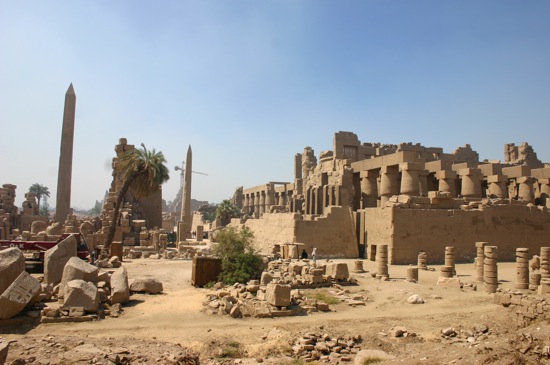
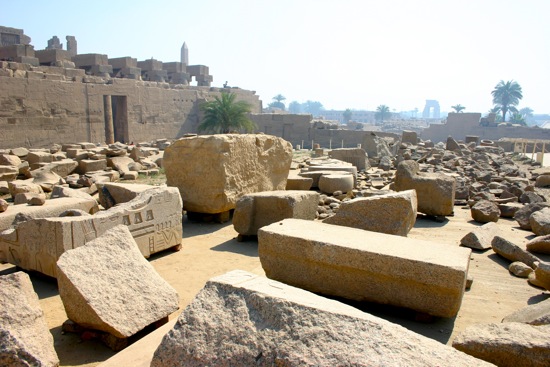
I don't really know what to write for a lot of the pictures. The place is just so incredibly massive and has so many different features all built at different times by different people for different reasons!
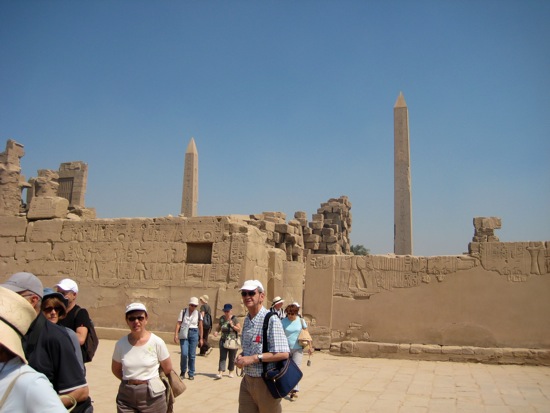
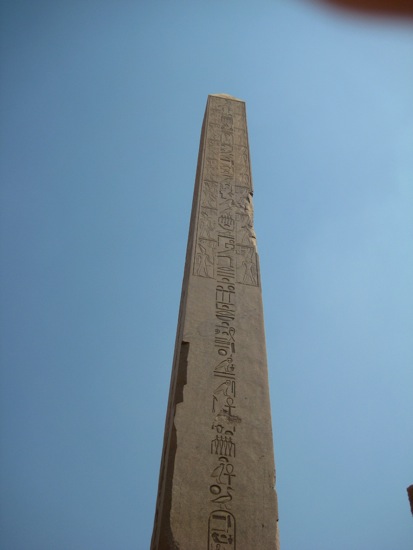
Like all the other ancient ruins in Egypt, not only is the size of everything mind-boggling, but the amount of detail-work is CRAZY. Pretty much every single surface of stone is covered in hand-chiseled hieroglyphics. Even wilder is that all of the building material is sandstone that was transported to the temple site from OVER 100 MILES AWAY.
The Temple consists of four sections (or precincts), but the vast majority of what is open to the public is part of the Precinct of Amun-Re. The temple was built right near the ancient city of Thebes by Pharaoh Amenhotep III around 1,350 BC (over 3,300 years ago!).
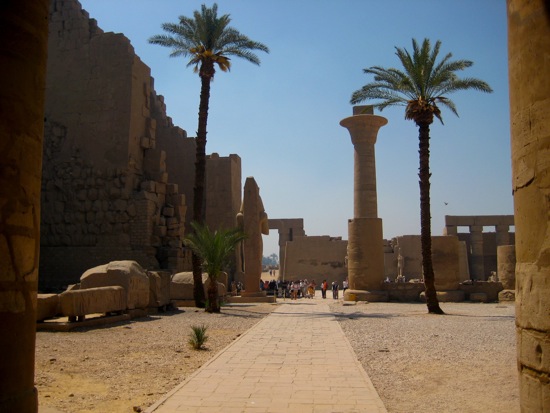
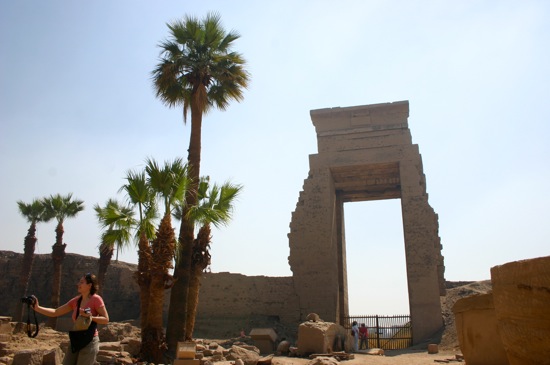
...THE TEMPLES OF KARNAK! Officially called "The Karnak Temple Complex," this place is, according to the interwebs, "the largest ancient religious site in the world." Here's a view of the entrance to the temple from a couple hundred yards away. It's so massive and surreal it's hard to believe that it's really an ancient ruin and not some Hollywood movie set.