a thing in 26 photos in 2010
book
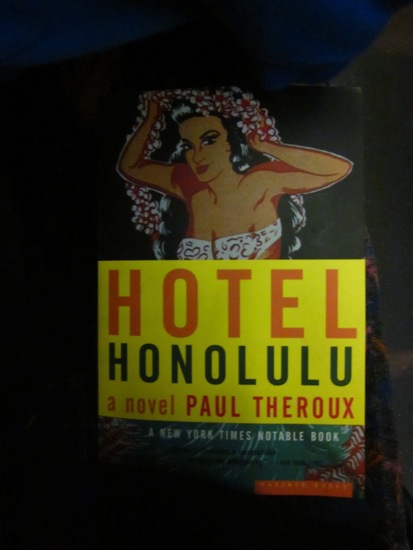

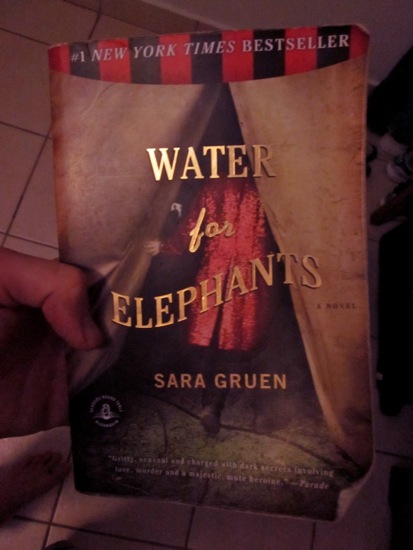
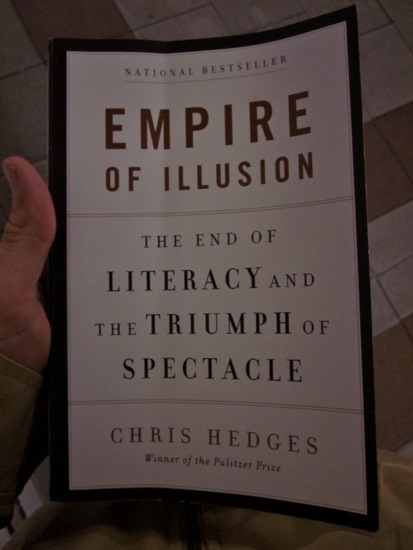


 (He makes the argument that basic literacy always includes the ability to READ and WRITE. Most people that use computers are only HALF literate in that they know how to use computers (READ ability) but they don't know how to program them (WRITE ability). Those who have trouble understanding how programs work are less likely to notice that their reality is being mediated by programs that limit their choices to things that are included in the program...)


 (He gave it to me when he was finished reading it and I COULD NOT PUT IT DOWN. Highly recommended!)


 I had my tiny mind split open by this book. It ignited an interest in consciousness that still hasn't abided two years (and many more books) later.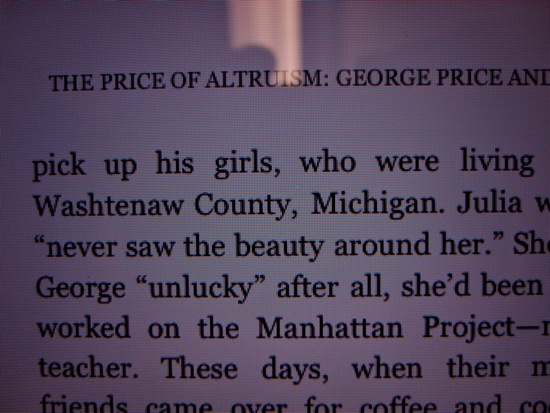

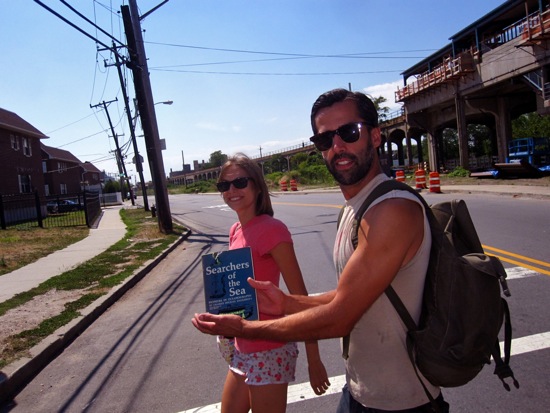






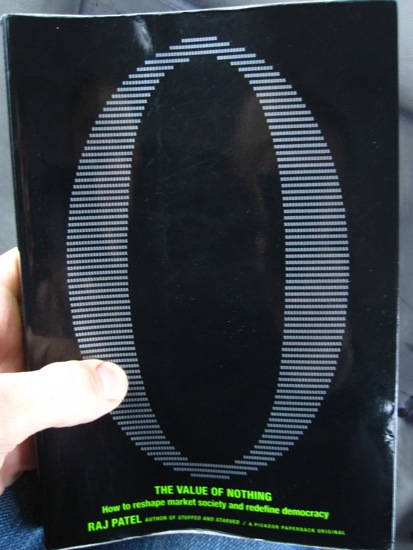
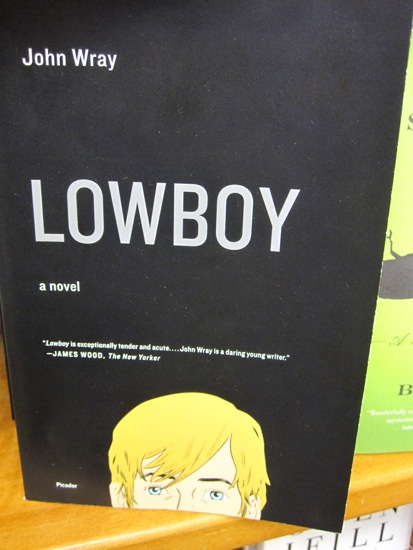




Here's the book description from Amazon:
Science has long treated religion as a set of personal beliefs that have little to do with a rational understanding of the mind and the universe. However, B. Alan Wallace, a respected Buddhist scholar, proposes that the contemplative methodologies of Buddhism and of Western science are capable of being integrated into a single discipline: contemplative science.
The science of consciousness introduces first-person methods of investigating the mind through Buddhist contemplative techniques, such as samatha, an organized, detailed system of training the attention. Just as scientists make observations and conduct experiments with the aid of technology, contemplatives have long tested their own theories with the help of highly developed meditative skills of observation and experimentation. Contemplative science allows for a deeper knowledge of mental phenomena, including a wide range of states of consciousness, and its emphasis on strict mental discipline counteracts the effects of conative (intention and desire), attentional, cognitive, and affective imbalances.
Just as behaviorism, psychology, and neuroscience have all shed light on the cognitive processes that enable us to survive and flourish, contemplative science offers a groundbreaking perspective for expanding our capacity to realize genuine well-being. It also forges a link between the material world and the realm of the subconscious that transcends the traditional science-based understanding of the self.
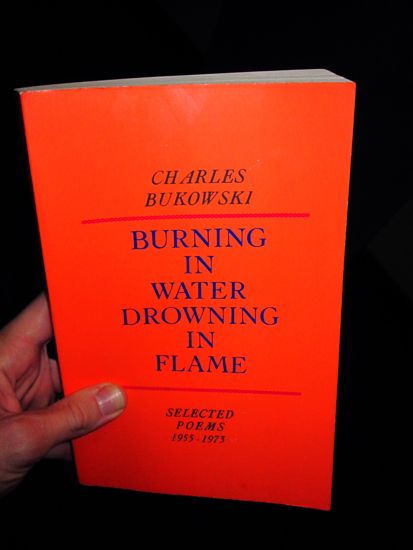
she reads to me from the New Yorker
which I don't buy, don't know
how they get in here, but it's
something about the Mafia
one of the heads of the Mafia
who ate too much and had it too easy
too many fine women patting his
walnuts, and he got fat sucking at good
cigars and young breasts and he
has these heart attacks - and so
one day somebody is driving him
in his big car along the road
and he doesn't feel so good
and he asks the boy to stop and let
him out and the boy lays him out
along the road in the fine sunshine
and before he dies he says:
how beautiful life can be, and
then he's gone.
sometimes you've got to kill 4 or 5
thousand men before you somehow
get to believe that the sparrow
is immortal, money is piss and
that you have been wasting
your time.